
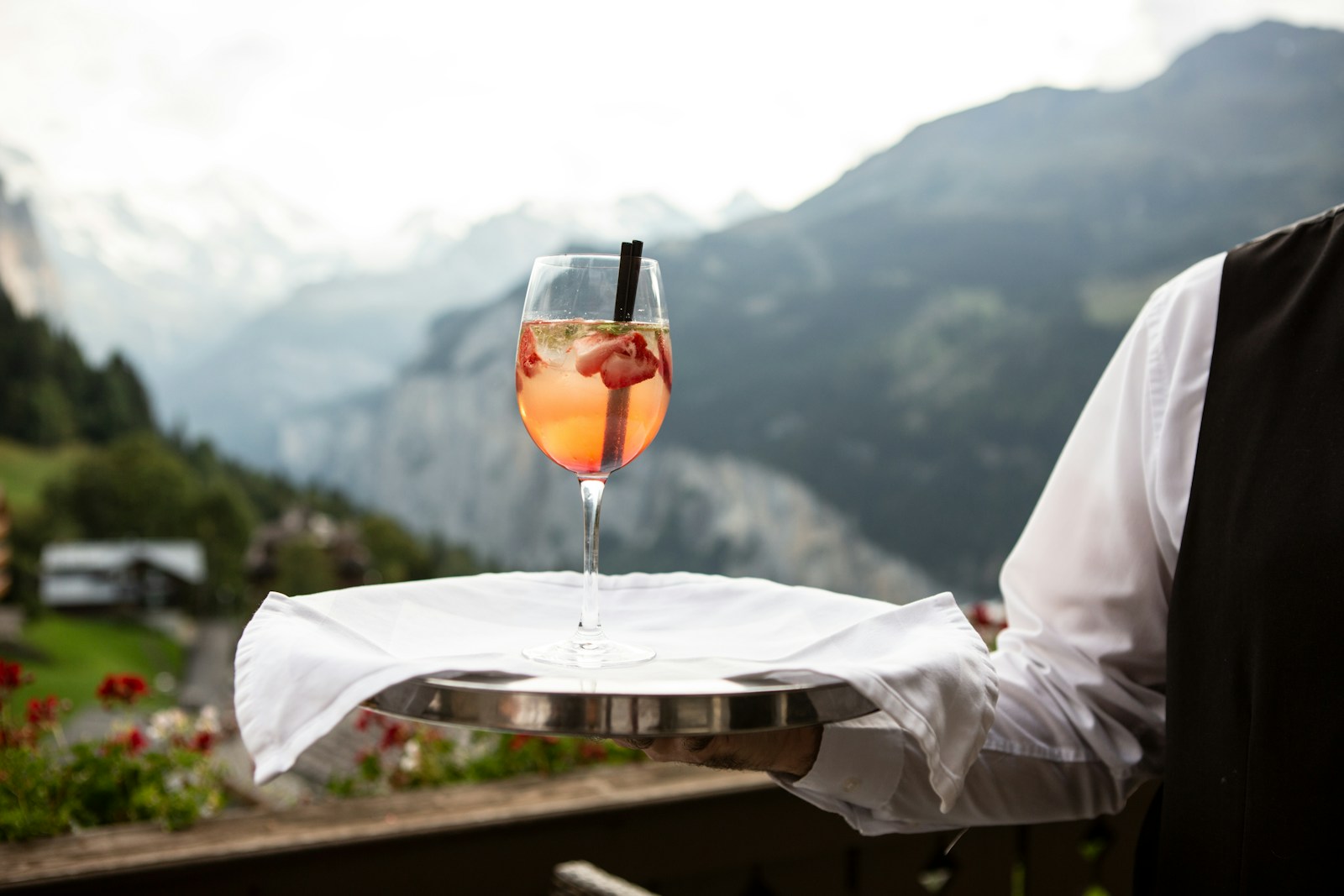
One pleasure of a chalet is breakfast without a deadline. A few local ingredients can turn the morning into the center of the stay.
- Best for
- Groups who want an easy local morning
- Core table
- Bread, dairy, olives, vegetables, fruit, herbs, and coffee
- Prepare
- Shop nearby and check the kitchen before arrival
Shop close to the destination
Pick up bread, labneh, cheese, olives, zaatar, fruit, tomatoes, cucumber, and something sweet. Ask the host about a reliable bakery or small shop nearby.
Check the kitchen first
Confirm the property has a kettle or coffee maker, basic pans, plates, knives, and enough seating. Bring one missing item rather than carrying an entire kitchen.
Let it last
Set the table outdoors when weather and shade allow. Keep phones away, pour another coffee, and leave the next activity flexible. The value is in having no need to hurry.
Build variety from a few good ingredients
Start with fresh bread, labneh, one or two cheeses, olives, zaatar, tomatoes, cucumber, and seasonal fruit. Add eggs, preserves, honey, or a simple warm item only if the kitchen and group appetite support it. A generous breakfast does not need twenty opened packages.
Buy close to the destination when possible and ask the host for a bakery or producer they trust. Keep chilled food cold during the drive. Check labels and serving utensils when allergies or dietary restrictions are part of the group.
Set up the kitchen the night before
Find the kettle, coffee equipment, pans, knives, plates, cups, and rubbish instructions before everyone wakes. Wash produce, refrigerate dairy, and set aside what is needed. This makes the morning feel leisurely without leaving one person to solve the whole kitchen alone.
Choose an outdoor table only when shade, temperature, and insects allow. Otherwise sit near a view indoors. Serve smaller amounts first, replenish when needed, and pack leftovers safely for lunch or the return journey.
Keep the table generous without making waste
Estimate appetite from the previous evening and open food in stages. Serve small dishes of labneh, cheese, olives, and zaatar, then refill them. Dairy can remain chilled until it is needed. This keeps the table fresh and makes leftovers easier to store safely for lunch.
Separate serving utensils when allergies or dietary restrictions matter. Ask before adding nuts, sesame, or shared spreads, and keep packaging available so ingredients can be checked. A simple labeled corner of the table is more welcoming than expecting a guest to question every dish.
Divide cleanup before everyone leaves for the next activity. Refrigerate perishables, soak only what needs it, wipe outdoor crumbs, and follow the host’s waste instructions. Pack good bread, fruit, and cheese for the drive rather than abandoning them. The morning remains relaxed when care is part of the plan.
Put It Into Practice
A Simple Plan
- 01Shopping
Buy for the real group
Count adults and children, note dietary needs, and choose a modest variety of fresh local items.
- 02Night before
Find every tool
Check refrigeration, hot water, coffee equipment, cookware, plates, knives, and the dining space.
- 03Morning
Serve in simple rounds
Begin with bread, dairy, vegetables, and drinks, then add warm food only when people want it.
- 04Afterward
Save food safely
Refrigerate perishable leftovers promptly and pack useful items for lunch rather than wasting them.
Save This List
Before You Go
- Fresh bread and a bread knife
- Labneh or cheese kept chilled
- Olives, zaatar, and olive oil
- Tomatoes, cucumber, and seasonal fruit
- Coffee, tea, water, and cups
- Containers for safe leftovers
Useful Answers
Frequently Asked Questions
How much bread should be bought?
Buy a reasonable first amount and ask where more can be found nearby. Appetite varies, and fresh bread is better than a large quantity that dries out or becomes waste.
What if the chalet kitchen is basic?
Choose foods that need assembly rather than cooking. Bread, labneh, cheese, vegetables, fruit, olives, and drinks can make a complete table with a knife, plates, and refrigeration.